
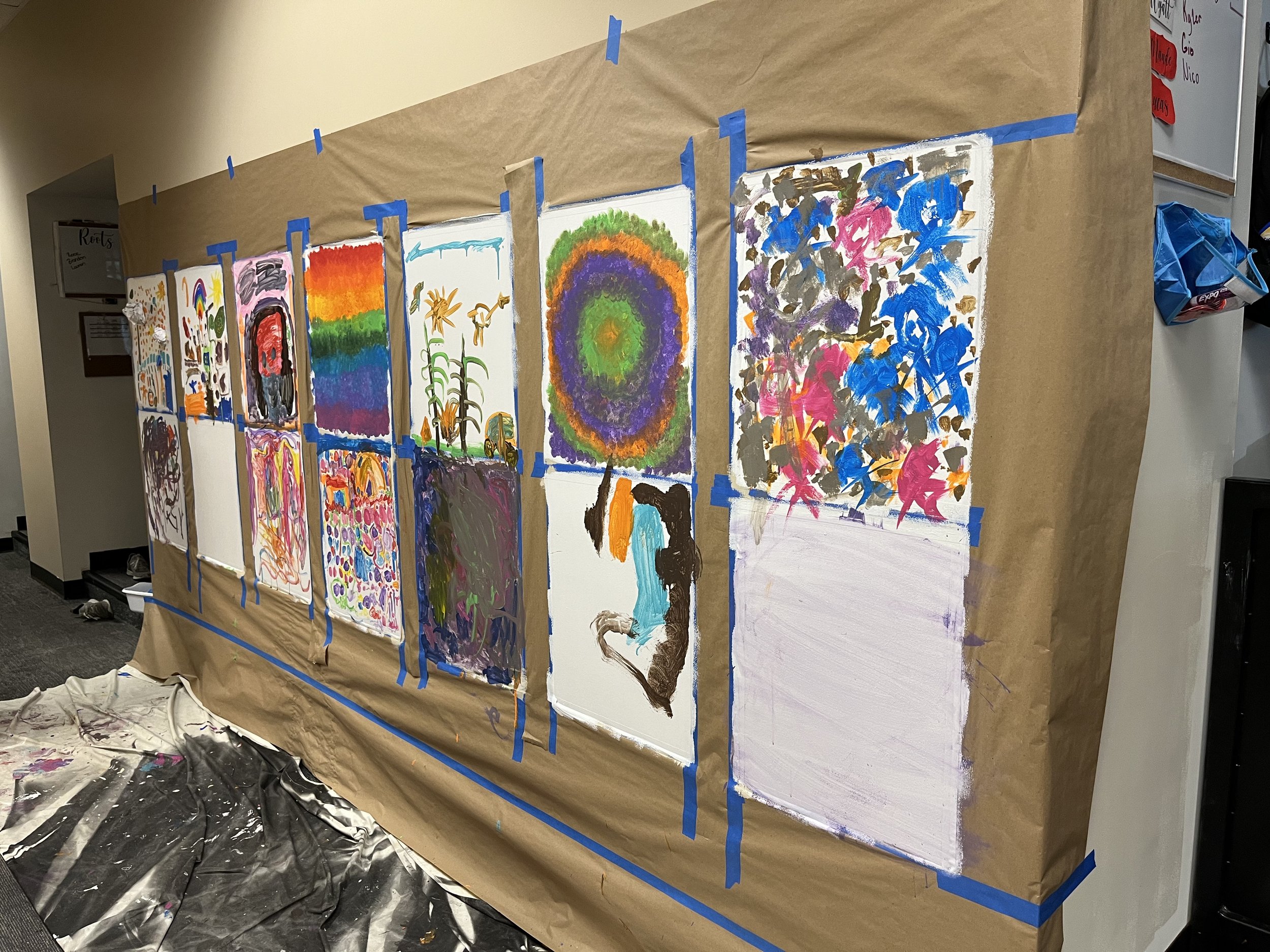
ArtsWA grantee photo by Squid
State of the Arts Education Survey
The 2025 State of the Arts Education Survey provides a comprehensive statewide snapshot of arts education in Washington’s K–12 public schools.
Demographics of sample closely match those of Washington state
273 principals representing 277 schools
47.9% of Washington school districts had at least one school respond to the survey
Responses included:
Traditional public school districts
Charter schools
Tribal schools
Educational Service Districts
Results portray:
Strong educator commitment and creativity
Persistent structural constraints

Advancing equitable access to arts education statewide will require coordinated action across:
Policy
District leadership
Community partnerships
Funding structures
Note: data dashboard works best on Chrome
Across Washington, arts instruction remains widely available
Although access to arts courses does not consistently translate into sequential learning pathways
Schools offer various arts disciplines
Music 88%
Dance 7%

Theatre 25%
None 3%
Media Arts 40%
Visual Arts 74%
Beyond traditional disciplines
Schools described offerings in theatre, media arts, dance, literary arts, applied arts, and culturally rooted practices such as Mariachi, Folklórico, tribal arts, and storytelling.

Other 13%
General exposure → increasingly specialized pathways
Elementary schools most often provide exposure-based or rotating instruction, middle schools expand elective options
High schools offer the broadest range of advanced, specialized, and career-aligned coursework
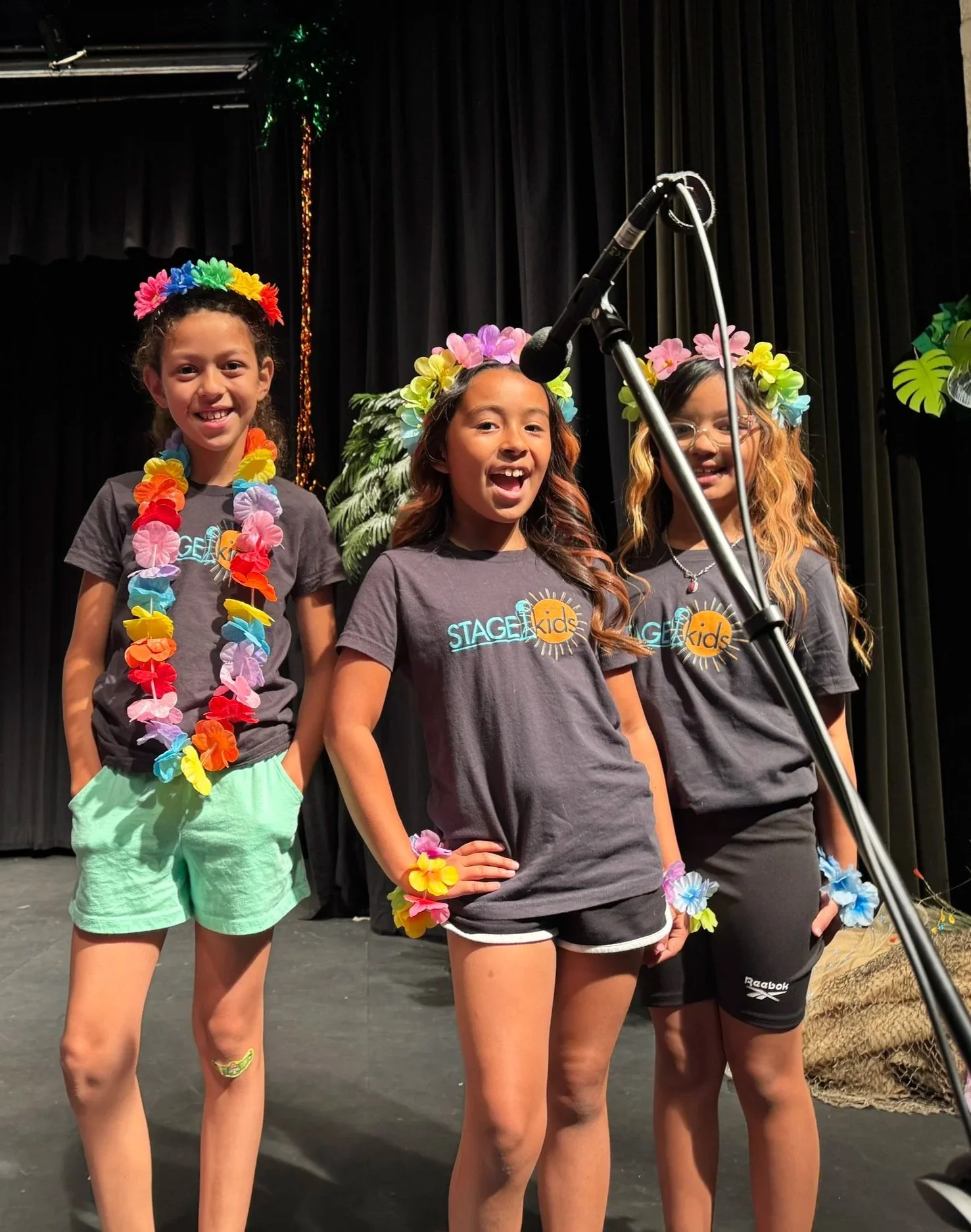
Photo courtesy of StageKids, Chelan County
“Student interest has only grown over the past 20 years.”
Frequency of Arts Instruction: Availability does not always translate into sustained instructional time

Elementary School
Overall frequency and intensity of elementary arts instruction remains limited
Most students receive one hour or less of arts instruction weekly

Middle School:
Arts courses offered as electives
Average of 1.1 arts credits required
Students often choose to enroll in additional arts courses when offered

High School:
One arts credit: graduation requirement per Washington State Board of Education
Arts courses can apply toward Personalized Pathway Requirements (PPR) aligned with their High School & Beyond Plan
Students have four elective credits that may include additional arts coursework
“We currently have a 0.5 Arts and 0.5 Music teacher, which I feel fortunate to have but would love for those to both be full time.”
Infrastructure and staffing capacity shape what schools are able to provide
Formal planning structures are uneven
33% of schools have explicit arts education goals
24% of a district arts coordinator or facilitator
Schools have an average of 2 certified arts educators
7% of total staffing
Schools demonstrate strong commitment and adaptability in maintaining arts instruction
Some schools have sustained district arts leadership; others have eliminated these positions or folded them into broader departments
Arts staffing often depends on shared roles, short-term solutions, and external supports, particularly in elementary and small or rural schools
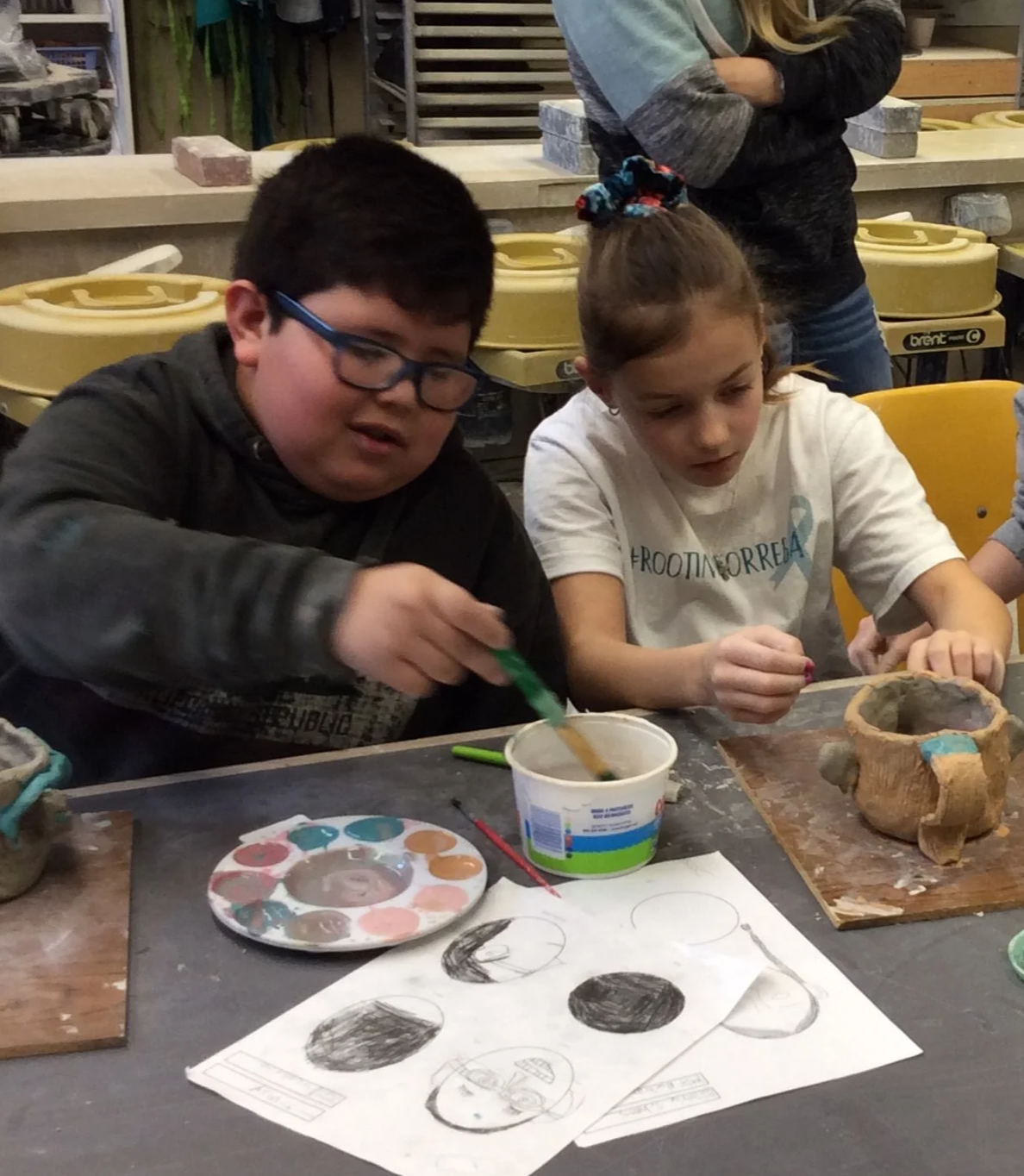
Photo courtesy of Gallery One, Kittitas County
“Teachers do not have the training or time in their school day to effectively [integrate] art [with other subjects] in a meaningful way.”
Arts integration, professional learning, career-connected learning present uneven implementation patterns
Strong integration examples are rare
53% of schools report no teacher participation in arts integration professional development
Career-connected learning in the arts is developing but not yet universal
35% of secondary schools report a structured pathway connecting arts education to potential careers
Demand for professional education is high
Arts integration and culturally responsive arts teaching were the most frequently identified professional development needs, followed by career-connected learning
“We need to expand the vision for arts learning beyond music and invest resources to support the teaching and learning of arts.”
Culturally responsive practice is an area of strength
Most respondents agree that arts instruction connects to students’ lived experiences and incorporates culturally relevant examples
Culturally responsive practices are embedded in instruction through:


Classrooms reflecting diverse languages and identities
Connecting artistic learning to community and lived experience
Opportunities for students to share personal and cultural perspectives
Culturally relevant materials and artistic traditions
Even in schools facing resource constraints, educators emphasize a strong commitment to centering student voice and cultural relevance in arts instruction
“Great teachers are doing great work with willing students,”
Schools report a variety of supplemental arts programming
Majority of schools offer supplemental arts programming
Field trips 76%
Assembly programs 72%
Before- or after-school programs 62%
Cultural activities 60%
Extracurricular activities (plays/dance teams) 55%
Art clubs 45%
Private lessons (through school) 7%
High school internships/apprenticeships 18%
Community partnerships further extend learning opportunities
1/3 of schools report partnerships with arts or cultural organizations, higher for urban schools
Schools expressed interest in deeper, sustained collaboration and support
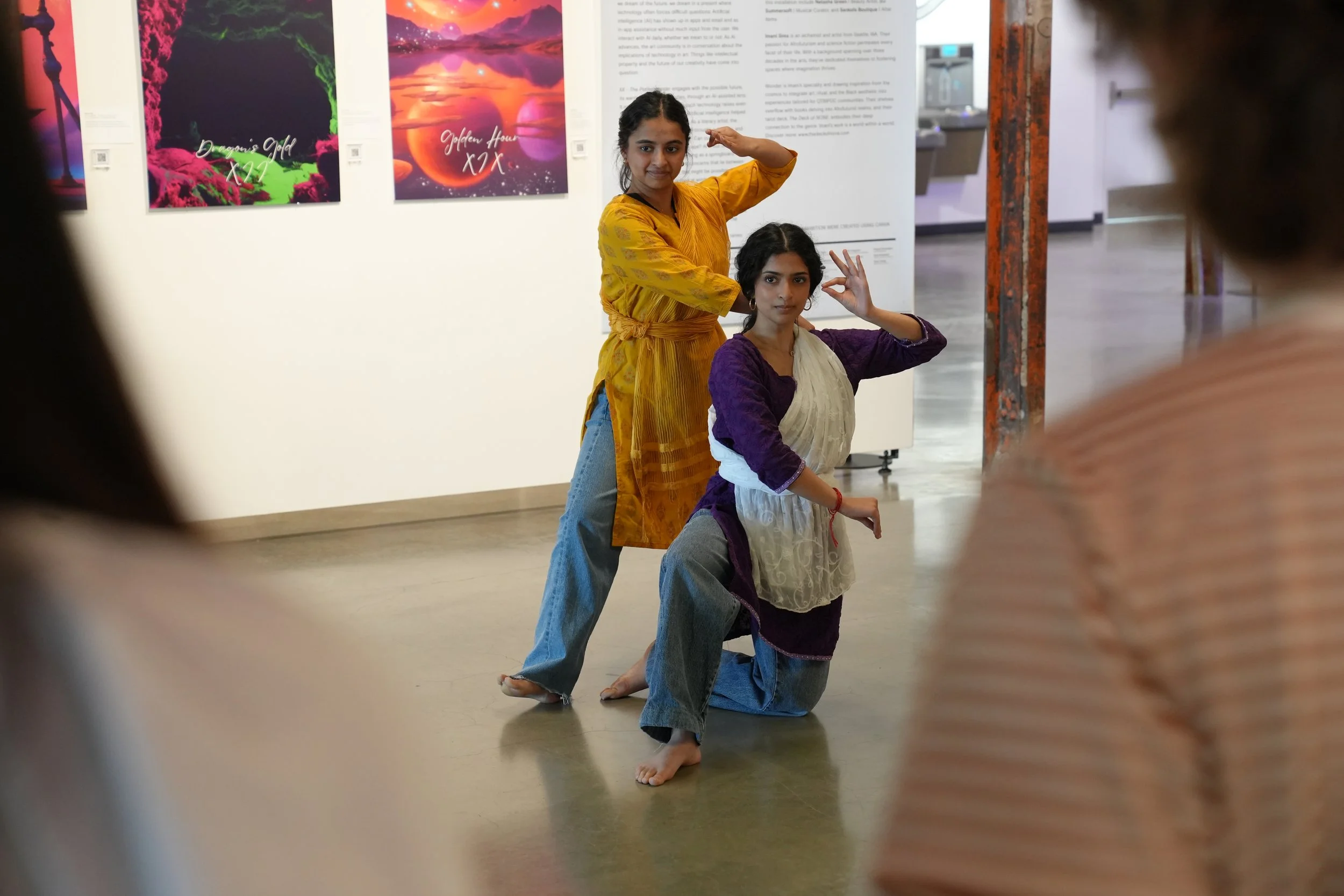
Photo courtesy of ArtsWA, Washington Youth Arts Leadership Program
“The 0.4 visual arts position is not funded by the district—it is paid for through a PTA grant,”
Funding emerged as the most significant structural constraint
58% of schools report inadequate funding as a serious barrier to expanding access, more than any other factor
Across contexts, principals expressed a clear desire for more consistent, dedicated, and equitable funding structures to sustain and strengthen arts education.
Each school leverages funding from a unique combination of sources.
District general fund 30%
PTA/PTO/PTSA 22%
District levies/bonds 16%
Parent donations 13%
Booster club 9%
Fundraisers 9%
Arts/cultural organizations 8%
Student fees 7%
Donors choice/Amazon wish list/other online 6%
Ticket income 4%
Federal grants 3%
Washington State Arts Commission 2%
Other 6%
“The fine arts programs are dying in this state because decisions are constantly being made by administrators that are about $ and not about what is best for students.”
Statewide, the core challenge is not demand; it is capacity
Satisfaction
~Half of schools report satisfaction with the quantity of arts offerings
~2/3 report satisfaction with quality (slightly improved from 2009)
Assets:
Dedicated educators
Supportive partnerships
Strong student interest
Challenges:
Staffing shortages
Scheduling pressures
Uneven infrastructure
To strengthening equitable access:
Sustained investment
Coherent planning structures
Expanded professional learning
Clearer sequential pathways
Alignment between policy, funding, and practice
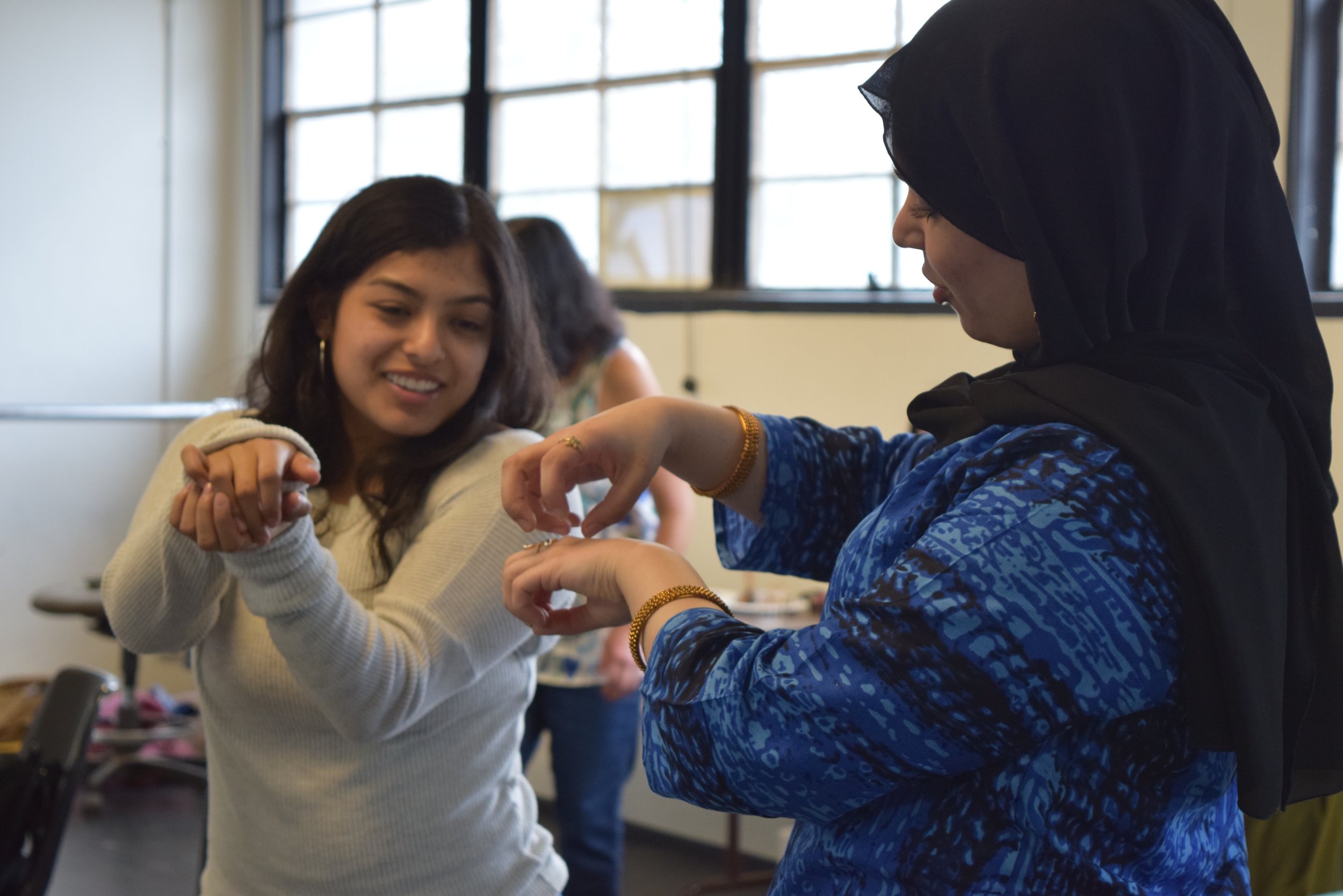
Photo courtesy of ArtsWA, Washington Youth Arts Leadership Program